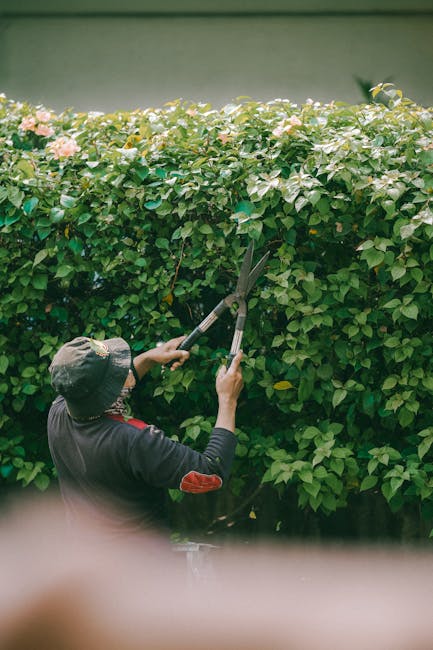
EN3 gardeners for Ponders End quick tidy and clearance
If your garden in Ponders End has got away from you a bit, you are not alone. One rainy week turns into three, a few bags of clippings pile up, the hedge starts leaning over the path, and suddenly the space feels more like a job list than a place to relax. That is exactly where EN3 gardeners for Ponders End quick tidy and clearance can make life simpler: fast, practical help to get the garden back into shape without turning it into a long, drawn-out project.
This guide explains what a quick tidy and clearance actually involves, when it makes sense, what good results look like, and how to avoid the usual mistakes. It also covers useful comparisons, a realistic step-by-step process, and a checklist you can use before booking. If you want your outdoor space to look cared for again, and fairly quickly, this is a good place to start.
Table of Contents
- Why it matters
- How it works
- Key benefits and practical advantages
- Who this is for and when it makes sense
- Step-by-step guidance
- Expert tips for better results
- Common mistakes to avoid
- Tools, resources and recommendations
- Law, compliance, standards, or best practice
- Options, methods, or comparison table
- Case study or real-world example
- Practical checklist
- Conclusion
- Frequently asked questions
Why EN3 gardeners for Ponders End quick tidy and clearance Matters
A quick tidy and clearance is not just about making a garden look neat for a day or two. In a busy area like Ponders End, gardens often have to work hard. They may need to stay presentable for family life, for tenants, for visitors, or simply because you do not want the back of the house to feel cluttered and tired. When plants are overgrown, waste is left lying around, and paths are blocked, the whole space becomes harder to use.
That matters for a few practical reasons. First, a messy garden is more likely to become a maintenance headache. Leaves trap moisture, weeds spread, and dead growth hides problems underneath. Second, it can create safety issues. Slippery steps, hidden trip hazards, or a hedge spilling onto a walkway are the kind of things people ignore until someone catches their foot. And third, honestly, it affects how you feel about the place. You stop using the garden. Then it stops being a garden, and becomes storage with grass. Bit grim, really.
There is also a local reality here. EN3 homes often have modest outdoor spaces that benefit more from regular attention than from dramatic redesigns. A focused tidy can be enough to restore order, improve light, and make the whole plot feel larger. That is often why people choose a clearance-first approach before they think about bigger improvements like landscaping or even a small upgrade such as decking services.
Expert summary: If a garden feels cluttered, hard to use, or simply embarrassing to look at, a quick tidy and clearance is often the smartest first move. It creates a clean base, reveals what actually needs attention, and gives you breathing room to decide what comes next.
How EN3 gardeners for Ponders End quick tidy and clearance Works
At its simplest, a quick tidy and clearance is a focused visit designed to remove mess, reduce overgrowth, and bring a garden back to a manageable state. The aim is not usually to redesign the space or carry out a full seasonal overhaul. It is more like a reset. A good team will work methodically, clearing the obvious problem areas first so the garden looks cleaner fast.
In practice, that can include collecting loose rubbish, bagging garden waste, cutting back light overgrowth, removing dead plants, trimming edges, and cutting down anything that has started to smother paths or beds. Depending on the condition of the garden, it might also involve lawn mowing, hedge trimming, or light pruning. If there are larger woody branches, a separate discussion about tree lopping and removal may be needed.
A sensible provider will usually begin with an assessment. They will look at access, waste volume, plant condition, and anything that could affect safety or disposal. Then the work is split into stages. The garden is cleared, the waste is gathered, and the space is left reasonably tidy rather than half-finished. That last part sounds obvious, but it is the bit customers remember. Nobody wants a "clearance" that leaves a neat pile of sort-of-neat piles.
If ongoing care is needed afterwards, it is often worth pairing the tidy-up with garden maintenance so the space does not slide straight back into chaos. A one-off job can be useful, but a maintenance rhythm usually gives you the best value over time.
Key Benefits and Practical Advantages
The main benefit is simple: you get your garden back. But there is more to it than visual improvement. A proper tidy and clearance often changes how the whole property feels, and that can have surprisingly practical effects.
- More usable space: Removing dead growth and clutter makes patios, paths, and lawn areas easier to use.
- Better appearance: Even a modest garden can look cared for once borders are defined and waste is gone.
- Reduced maintenance pressure: Clearing the worst areas makes normal upkeep quicker afterwards.
- Improved safety: Loose debris, broken branches, and overgrown access routes are dealt with before they become a nuisance.
- Clearer decision-making: It is much easier to plan future improvements after the garden has been stripped back to something orderly.
There is also a time-saving benefit that people often underestimate. If you try to do a full tidy yourself over several weekends, the job tends to sprawl. You start with the back corner, then realise the hedge needs cutting, then the green waste bag is full, then the tools need cleaning. Before long it is Saturday evening and you are still staring at half a pile. A professional quick tidy is designed to compress that chaos into one organised visit.
For landlords, homeowners preparing for sale, and anyone inheriting a garden that has not been touched in a while, the commercial value is obvious. A fresh-looking outdoor area creates a much better first impression. For families, it is more about reclaiming space for play, sitting out, or just hanging the washing without feeling like you are doing battle with the place.
Who This Is For and When It Makes Sense
EN3 gardeners for Ponders End quick tidy and clearance are a good fit for people who need practical help rather than a full landscape redesign. That sounds straightforward, but the situations vary more than you might think.
You may need this service if:
- the garden has become overgrown after a busy period or a spell away
- you are preparing a property for sale or new tenants
- you want to clear a path, patio, or side return quickly
- the lawn and borders need a reset before regular maintenance starts
- fallen leaves, branches, or old plant waste are building up
- you want the outdoor space sorted before a gathering, family event, or seasonal change
It also makes sense when you know the garden does not need a full rebuild, but it does need attention now. A lot of people wait because they assume the job has to be huge. Truth be told, a garden often looks far worse than it actually is. Once the obvious waste is removed and the edges are defined again, the whole thing can settle down fast.
If you are unsure where your project sits on the spectrum, it can help to look at broader service options through the services overview and decide whether you need clearance only, ongoing care, or a mix of both. For larger jobs that include a full strip-out of waste and unwanted growth, the dedicated garden clearance service is often the better fit.
Step-by-Step Guidance
If you want the process to go smoothly, it helps to understand how a well-run tidy and clearance job normally unfolds. It is not rocket science. But it does work better when it follows a sequence.
- Walk the garden and identify priorities. Decide what must be cleared, what should be kept, and what needs special care. Old pots, broken fence bits, hedge growth, weeds, leaf fall, all of it.
- Check access and waste removal needs. Narrow side passages, low gates, steep steps, or awkward corners can affect how the job is tackled.
- Remove loose debris first. Bags, branches, old compost, broken containers, and scattered clippings usually go first because they slow everything else down.
- Cut back growth in a sensible order. Start with the worst overgrowth, then shape edges, then deal with finer detail like stray shoots and low hanging stems.
- Clear and sort waste. Green waste, mixed waste, and reusable materials should be separated where possible. It is cleaner, safer, and more efficient.
- Do a final tidy pass. Sweep hard surfaces, check corners, and make sure no hidden piles have been left behind. This part matters more than people think.
- Decide the next maintenance step. Once the garden is clear, you can see whether it needs mowing, hedging, planting, or ongoing upkeep.
A neat trick, if you are preparing the garden yourself beforehand, is to group items into three rough categories: keep, remove, and unsure. That reduces decision fatigue. You do not want to be standing there mid-job wondering whether a sad plastic planter from 2016 deserves another chance. It probably doesn't.
For some gardens, especially where hedges, shrubs, and boundary growth are the main issue, combining clearance with hedge trimming can save time and improve the finish. If the garden needs a more structured recovery, then light landscape gardening input may be the sensible next phase.
Expert Tips for Better Results
Good garden clearances are rarely about brute force. The best results come from judgement. A few small choices can make the difference between a garden that looks merely "less bad" and one that feels properly reset.
Tip 1: Work from the edges inward. Borders, fences, and hard surfaces show the shape of the space. Once they are visible again, the whole garden looks more intentional.
Tip 2: Protect the plants you actually want to keep. In overgrown gardens, it is easy to chop back too much. Mark anything valuable before work starts, especially bulbs, young shrubs, or climbers.
Tip 3: Deal with waste as you go. A tidy pile becomes an untidy pile very quickly if it is left until the end. Small clear-outs during the job save time later.
Tip 4: Don't ignore the lawn. Even a quick mow can change the mood of the space completely. Damp grass, flat patches, and weeds all make a garden feel more tired than it really is.
Tip 5: Ask what happens to the waste. Responsible disposal is part of a proper service. If a provider is vague about it, that is a small warning sign.
When in doubt, keep the goal simple: make the space safer, cleaner, and easier to live with. That is usually the sweet spot. Not perfection. Just proper order.
Common Mistakes to Avoid
People often think a quick tidy is too simple to get wrong. Unfortunately, no. There are a few very familiar mistakes, and they can turn a manageable job into a headache.
- Trying to clear everything at once: This usually leads to fatigue and half-finished work.
- Cutting back too hard: Some plants do not recover well from over-pruning, especially if they are already stressed.
- Ignoring access issues: If waste cannot get out easily, the job slows down a lot.
- Leaving arisings in the garden: Green waste left in piles can look untidy again almost immediately.
- Skipping the final sweep: Small debris on paving or gravel can make the space look forgotten.
- Confusing clearance with maintenance: One gets the garden back under control; the other keeps it that way.
There is also the classic error of assuming every overgrown patch is just "weeds." Sometimes it is, yes. Other times you are dealing with self-seeded shrubs, old perennials, or structural growth that needs a bit more care. If you are not sure, ask before cutting. Saves a lot of regret later.
Tools, Resources and Recommendations
You do not need a van full of specialist kit for a straightforward tidy, but the right tools help a great deal. For homeowners who want to do some of the preparation themselves, or simply understand what a gardener might use, here is a practical overview.
| Task | Useful tools | Why it helps |
|---|---|---|
| Clearing debris | Heavy-duty sacks, rake, gloves, broom | Speeds up collection and keeps the area manageable |
| Cutting back growth | Secateurs, loppers, hedge trimmer | Handles different stem sizes cleanly |
| Lawn reset | Mower, edging tool, grass collector | Makes lawns look neat without overcomplicating the job |
| Waste handling | Barrow, tarpaulin, bin bags | Moves material efficiently and reduces mess |
| Final tidy | Leaf blower, brush, hand fork | Helps with finishing touches and detail work |
For most people, the real recommendation is not about tools at all. It is about priorities. Start with the most visible and most practical areas first: entrances, patios, paths, lawns, and main planting beds. If those look good, the whole garden usually feels better. A side corner can wait. Nobody is judging the compost bin, probably.
If you care about responsible disposal and lower-waste habits, it is worth reading more about recycling and sustainability. Good garden work should not just move waste from one place to another; it should be handled sensibly and with care.
Law, Compliance, Standards, or Best Practice
Garden tidy and clearance work in the UK is usually straightforward, but there are still sensible standards to follow. The main point is that waste should be handled safely, responsibly, and in a way that does not create problems for neighbours or the wider area.
Best practice usually includes:
- keeping walkways clear while work is underway
- using appropriate protective equipment where needed
- handling sharp tools and heavy waste carefully
- separating green waste from general rubbish where possible
- avoiding damage to fences, paving, sheds, and retained plants
- making sure waste is removed or dealt with properly at the end of the job
For customers, it is reasonable to ask how a provider approaches safety, insurance, and waste handling. That is not being difficult. It is basic due diligence. You are inviting someone onto your property, after all. A reputable company should be able to explain its working practices clearly, and documents such as health and safety policy, insurance and safety, and payment and security information exist for exactly that reason.
It is also sensible to review the terms for any booking carefully, especially if the garden is larger or access is tricky. If you want a little more background on the business itself, the about us page can help you understand the approach and values behind the service.
Options, Methods, or Comparison Table
Not every garden needs the same treatment. Some just need a swift reset, while others need a deeper clearance before anything else can happen. Here is a simple comparison that may help you choose.
| Approach | Best for | Main strengths | Limitations |
|---|---|---|---|
| Quick tidy | Light overgrowth, visible mess, recent neglect | Fast, affordable, restores order quickly | Not suitable for heavily overgrown gardens |
| Garden clearance | Heavier waste, deeper neglect, large build-up of material | More comprehensive reset, better for problem areas | Takes longer and may need more labour |
| Ongoing maintenance | Gardens you want to keep in good condition | Prevents the problem returning, easier to budget for | Does not solve a neglected garden on its own |
| Full redesign or landscaping | Gardens that need structural improvement | Improves layout and long-term usability | More involved and not always necessary |
For many EN3 homes, the smartest route is quick tidy first, then maintenance later. That way you do not overbuy the solution. And let's face it, spending money on a full redesign when what you really need is just to see the patio again would be overkill.
Case Study or Real-World Example
Picture a typical small rear garden in Ponders End after a wet, busy season. The lawn has grown unevenly, the hedge has pushed out over the fence line, and a corner near the shed has become a small graveyard of pots, cuttings, and old bits of wood. Nothing dramatic. Just enough clutter to make the whole place feel awkward.
A practical tidy and clearance would usually start by removing the loose waste and opening up the access route. Then the hedge is cut back to stop it spreading into the usable area. The lawn is mown to bring some order back, the edges are cleaned up, and the dead material is bagged. Suddenly the same garden feels much larger, brighter, and more inviting. Not perfect, no. But usable again.
That is the kind of result many people want. They are not asking for a show garden. They want to be able to sit out with a coffee in the morning, let the children play safely, or simply stop feeling guilty every time they look out of the kitchen window. A good tidy does exactly that. Quietly, but effectively.
Practical Checklist
Use this checklist if you are preparing to book or manage a quick tidy and clearance in EN3.
- Identify the main problem areas: lawn, borders, hedges, paths, or waste piles
- Decide what must be removed and what should stay
- Check whether there is easy access for tools and waste
- Look for fragile plants, ornaments, or fittings that need protection
- Confirm whether mowing, hedge cutting, or clearance is needed
- Ask how garden waste will be handled
- Make sure the result you want is clear: tidy reset, clearance, or both
- Consider whether regular maintenance will help afterwards
- Review any pricing or quote details before work starts
- Keep a note of any safety concerns, awkward areas, or special requests
If you have done all that, you are already ahead of most people. Seriously. The job tends to go smoother when everyone knows what "done" actually looks like.
Conclusion
EN3 gardeners for Ponders End quick tidy and clearance are really about giving your outdoor space a reset without unnecessary drama. Whether the garden needs a light spruce-up, a proper clear-out, or a practical first step before longer-term care, the value is in making the space usable again. Cleaner edges, less clutter, safer access, and a garden that feels like part of the home rather than an afterthought.
The best results usually come from clear priorities, sensible waste handling, and a finish that leaves the garden genuinely easier to live with. If you are weighing up whether to clear, maintain, or improve, start with the basics. Once the mess is gone, the rest of the decision becomes much clearer.
Get a free quote today and see how much you can save.
And if all you do next is step outside and enjoy that little moment of breathing room, that still counts. Sometimes that first clean view of the garden is the best part.
Frequently Asked Questions
What do EN3 gardeners for Ponders End quick tidy and clearance usually include?
It normally includes removal of loose garden waste, cutting back light overgrowth, mowing where needed, tidying edges, and leaving the space clean and manageable. The exact scope depends on how neglected the garden is.
How is a quick tidy different from a full garden clearance?
A quick tidy focuses on fast visual improvement and making the garden manageable again. A full clearance goes further, dealing with heavier build-up, larger waste volumes, and more extensive overgrowth.
Can a tidy and clearance help before a property sale?
Yes. A neat, open outdoor space usually improves first impressions. It can make the property feel better cared for, which is useful when buyers are viewing both the house and the garden.
How long does a typical quick tidy take?
That depends on the size of the garden, the amount of waste, and access. A small, lightly neglected space can be dealt with fairly quickly, while a more cluttered garden will take longer.
Do I need to be home during the work?
Not always, but it can help if there are access instructions, sensitive plants, or specific areas you want kept intact. A short handover at the start often avoids confusion later.
Will the waste be removed?
Usually, yes, if removal is part of the agreed service. It is sensible to confirm how green waste and mixed waste will be handled before the work begins.
Is it better to book clearance or maintenance first?
If the garden is overgrown or untidy, clearance usually comes first. Maintenance makes more sense once the space is back under control and needs ongoing care rather than a reset.
What should I do before the gardeners arrive?
Move personal items, identify anything fragile, and decide what should stay or go. If you want to speed things up, make access as clear as possible and group any waste you have already collected.
Can a quick tidy include hedge cutting or lawn mowing?
Yes, it often can. If those are part of the main issues, combining them into one visit can give a much better finish and save time overall.
What if my garden is too overgrown for a simple tidy?
Then a deeper clearance may be more suitable. A good provider will usually advise whether the job needs a light tidy, a full clearance, or a staged approach.
Are there safety or insurance checks I should ask about?
Yes, that is sensible. Ask how tools, waste, and access are managed, and whether the provider can explain their safety and insurance arrangements clearly.
How do I decide whether to book now or wait?
If the garden is blocking access, causing safety concerns, or getting worse each week, it is usually better not to wait. If the space is only slightly messy, you may be able to combine the job with a maintenance visit later. But if it is bothering you every time you look outside, that is probably your answer already.