Recycling and Sustainability for Gardeners Enfield
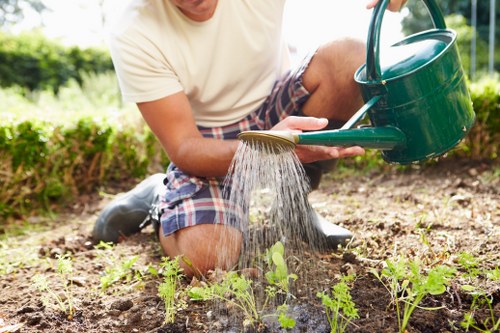 Gardeners Enfield champions an eco-friendly waste disposal area and a thriving sustainable rubbish gardening area across the borough. Our practical approach focuses on reducing carbon, increasing reuse and recycling, and creating resilient green spaces. We recognise that garden waste and small-scale landscaping materials can be a powerful resource when managed responsibly, so our mission is to support gardeners with accessible systems and community-driven solutions.
We aim to align with borough waste separation practices — separating dry recycling, food waste, and garden waste — while adding services tailored to gardeners and community groups. By combining doorstep green waste collections, local transfer station drop-offs and targeted reuse partnerships, we help turn clippings, soil and broken pots into new life for allotments and public planting schemes. Local action means less landfill and more healthy soil.
Targets and measurable goals
Our headline commitment is a net-reduction strategy with a recycling percentage target of 75% of garden-related materials diverted from landfill by 2030 for Gardeners Enfield activities. This target complements borough-wide aims and is ambitious because green waste can often be recycled more easily than mixed household rubbish. Meeting it will involve better separation at source, expanded composting and increased reuse through community networks.To reach these goals we prioritise practical infrastructure. That includes identifying and promoting nearby transfer stations and processing centres where garden waste is accepted and turned into compost, mulch or biomass feedstock. Our emphasis is on low-impact transport and minimal handling: consolidated collections reduce vehicle mileage and the risk of contamination. Small steps by many gardeners add up to big environmental benefits across Enfield.
Local transfer stations and processing
We work with regional facilities—such as Edmonton EcoPark and other North London transfer hubs—to ensure garden waste from allotments and front gardens is processed locally whenever possible. Using local transfer stations reduces haulage distances and supports circularity: woodchip becomes path dressing, shredded prunings become biomass, and compost returns to community plots. The borough's approach to waste separation supports this loop by keeping organics clean and contamination-free.Our operational footprint is shrinking thanks to a fleet upgrade: low-carbon vans are now used for short-run collections and charity deliveries. These include fully electric vans for urban rounds and hybrid-assisted vehicles for heavier loads. By prioritising low-emission vehicles we lower the carbon cost of recycling activity and demonstrate a replicable model for other urban gardening groups.
Collaboration is a core principle. We cultivate partnerships with charities and social enterprises that give garden waste and associated resources a second life. These relationships ensure usable items and organic materials are redistributed to people and projects that need them most.
 Partner organisations include:
- Groundwork and local community gardening projects — repurposing soil, compost and timber for public plantings;
- Local food redistribution groups — using surplus compost and growing materials to support food-growing schemes;
- Neighbourhood reuse hubs — accepting intact pots, tools and frost covers for resale or donation.
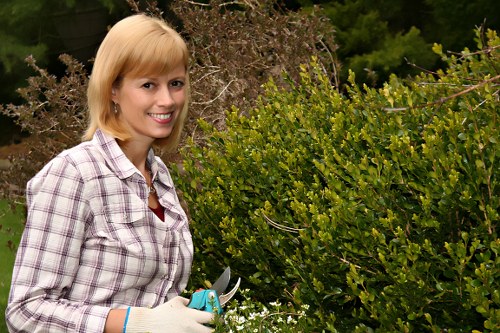
Practical actions for a sustainable rubbish gardening area
We encourage gardeners to use simple, repeatable practices that fit into borough-wide schemes: segregate green waste from mixed rubble, keep plastic pots and labels separate from organics, and label collections clearly to match the borough's separation rules. Consistent separation at the garden gate improves recycling rates and reduces contamination at transfer stations.How we measure success
Success metrics include the diversion rate of garden materials, reduction in vehicle miles (thanks to consolidation and low-carbon vans), volume of materials repurposed through charity partners, and the number of community plots benefiting from returned compost. We publish annual progress summaries and engage local gardeners through workshops and community events to keep standards high and contamination low.Gardeners Enfield is committed to building an eco-friendly waste disposal area network and nurturing a resilient, sustainable rubbish gardening area across neighbourhoods. By combining targets, local transfer station use, charity partnerships and a low-carbon collection fleet, we create a replicable model for urban green waste management that protects soils, reduces emissions and supports community wellbeing.

