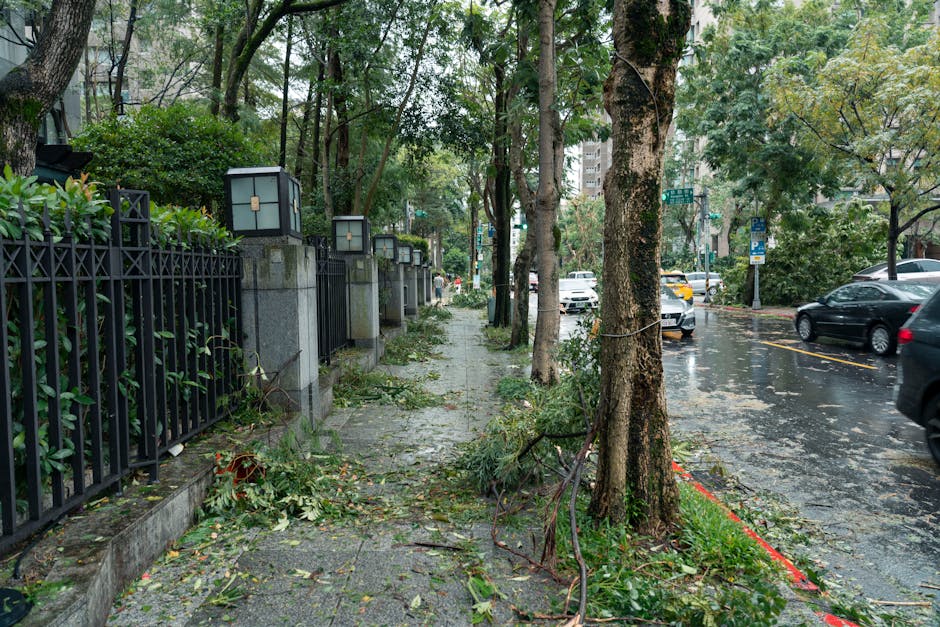
Same day gardeners in Enfield for storm and tree emergencies
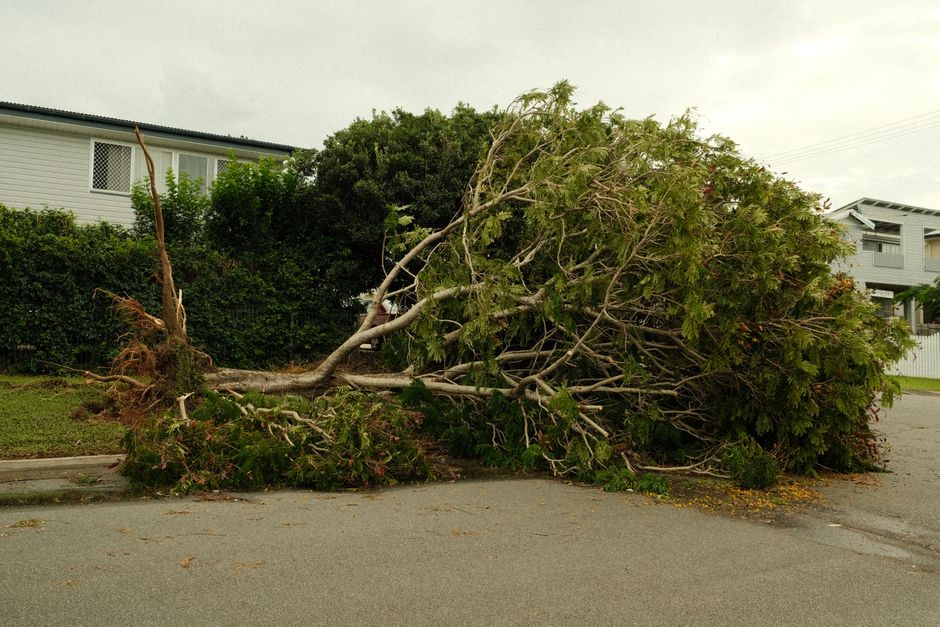
When a storm rolls through Enfield, it can leave a garden looking less like a garden and more like a job nobody asked for. A broken branch across the lawn, a hedge crushed against a fence, a tree leaning at an odd angle after a gusty night - it all needs dealing with quickly, and usually before it turns into a bigger problem. That is exactly where same day gardeners in Enfield for storm and tree emergencies become so valuable. They help you make the space safe, clear the mess, and stop a bad situation from getting worse.
This guide explains what urgent garden help usually involves, how the process works, what to expect from a fast-response team, and how to make sensible decisions when the pressure is on. If you have ever looked out of the window after a wild night and thought, "Right, now what?", you are in the right place.
Why Same day gardeners in Enfield for storm and tree emergencies Matters
Storm damage is rarely tidy. In practical terms, it often means loose branches, blocked access paths, damaged fencing, waterlogged borders, and gardens that are suddenly unsafe to walk through. A tree that has shifted in the wind can also create hidden risk. It may look stable from a distance, but the root plate, trunk, or upper canopy can be under stress. That is why fast garden support matters so much.
In Enfield, where homes often have mature trees, shared boundaries, sheds, patios, narrow side access, and busy family gardens, storm-related issues can spread quickly. One broken branch can damage a fence panel. One heavy limb can block a driveway. One unstable tree can keep you from using the garden at all. And let's face it, nobody wants to spend the evening staring at a half-collapsed conifer in the drizzle, wondering if it might shift again overnight.
Same day help is not only about clearing debris. It is about reducing risk. That can mean making the site safer, limiting further damage, and giving you a clear next step. Sometimes that next step is a simple tidy-up. Other times it is tree lopping and removal, or a more detailed plan for recovery. For ongoing upkeep after the emergency, a visit to garden maintenance can help stop small issues becoming weekend-stopping disasters.
Expert summary: urgent garden work after a storm is best treated as a safety-first job. Clear the immediate hazard, assess the damage properly, then decide whether trimming, clearance, or full removal is the right route.
How Same day gardeners in Enfield for storm and tree emergencies Works
The process is usually simpler than people expect, which is a relief when everything already feels a bit frantic. You contact the team, explain what happened, and share as much detail as you can. Photos help. If it is safe to do so, a few clear images of the fallen branch, leaning tree, blocked access, or damaged fence can save time and help the gardener arrive prepared.
From there, a same day gardener will normally prioritise the immediate hazard. That may include securing the area, cutting back dangerous overhangs, removing fallen material, or stopping further movement from a compromised tree. If the problem is more complex, they may recommend a more detailed tree lopping or removal visit. For larger clear-ups, garden clearance is often the sensible follow-on, especially where storms have scattered leaves, twigs, soil, and broken garden items everywhere.
A good emergency visit tends to follow a calm, practical rhythm:
- You describe the issue and any immediate danger.
- The team assesses access, likely risks, and the scale of the work.
- Urgent hazards are dealt with first.
- Debris and cut material are removed or stacked safely.
- You get a realistic view of what still needs attention.
That last step matters. Sometimes the visible damage is only half the story. Roots may be disturbed, branches may be split in hidden places, or a fence line may have been strained but not yet failed. A careful eye is worth having.
Key Benefits and Practical Advantages
There is an obvious benefit to fast response: less waiting, less worry, and less chance of the problem worsening. But there are several other advantages that people often underestimate at first.
- Faster hazard reduction: loose limbs, unstable branches, and obstructed walkways can be dealt with before somebody gets hurt.
- Less secondary damage: a branch left resting on a fence, roof edge, or shed can shift again in wind or rain.
- Better access: driveways, side gates, bins, and paths can be reopened quickly.
- More control over the clean-up: instead of facing a huge mess later, you get it tackled in a structured way.
- Clearer next steps: you can decide whether repairs, pruning, or full removal are needed.
Another practical upside is mental. That sounds a bit soft, maybe, but it is real. A storm-damaged garden can be oddly stressful to look at. Once the immediate danger is reduced, the whole property feels calmer. You can breathe again. The tea tastes better too, to be fair.
If the storm has left hedges battered or split, you may also want to look at hedge trimming once things are safe, because damaged hedging often benefits from careful tidying rather than a rough cut. For garden spaces that need rebalancing after tree work, landscaping can help restore the layout and stop the garden feeling patchy or awkward.
Who This Is For and When It Makes Sense
This kind of service is not just for dramatic cases where a tree has come down across the whole garden. It suits a wide range of situations, some of them surprisingly ordinary.
- Homeowners with broken branches hanging over a path or drive
- Landlords needing a garden made safe before tenants move in
- Property managers dealing with storm damage after a weekend blow
- Older residents who cannot safely clear heavy debris themselves
- Families with children or pets who need the garden made usable again
- Anyone with a leaning tree, split trunk, or damaged fence line after strong wind
It makes sense when safety is part of the problem, not just appearance. A snapped branch lying neatly on the lawn is annoying. A snapped branch partly suspended above the patio is something else entirely. Same day support is also sensible if you need the garden cleared quickly for a viewing, repair visit, or neighbour boundary issue. In these cases, a fast response is not a luxury. It is practical damage control.
And if the storm has exposed deeper garden maintenance issues, that can be a useful wake-up call rather than bad luck. A neglected tree crown, overgrown hedge, or blocked border can all make storm damage worse than it needed to be.
Step-by-Step Guidance
If you want the smoothest possible response, it helps to think clearly even while the weather still feels fresh in your memory. Here is the sensible sequence.
- Check for immediate danger. Do not walk under hanging branches or lean on unstable trees. If a tree is close to a power line, stay well back and treat it as hazardous.
- Keep people and pets away. Block access to the affected area. A quick temporary barrier, even if it is only a closed gate or some basic warning, is useful.
- Take photos from a safe distance. A few clear images help describe the issue and can support a more accurate quote or visit plan.
- Note access limitations. Side access, locked gates, narrow passages, or fragile paving matter. Tell the gardener in advance.
- Explain what changed. Was there wind damage, heavy rain, a fallen limb, or a tree that had already started leaning? The more context, the better.
- Ask what can be done today. Same day work often focuses on the urgent hazard first, with non-urgent follow-up agreed later.
- Decide on disposal. Some debris can be removed immediately, while larger woody material may need separate handling. Recyclable green waste should be managed properly.
One useful habit is to request a quick explanation of the work order before anything starts. It does not need to be formal. Just enough to confirm what is being removed, what is being left in place, and what happens if extra problems are uncovered. That small conversation can prevent awkward surprises later. Tiny thing, big difference.
Expert Tips for Better Results
Here are the sorts of details that tend to improve the outcome in real-life emergency jobs.
- Be specific about the hazard. "Branch over patio" is better than "tree issue". "Root lifted near fence" is better than "tree looks odd".
- Ask whether the work is containment or full resolution. Sometimes the same day visit is mainly about making things safe, not completing a full tree reduction.
- Check whether follow-up work is likely. If a tree has structural damage, a temporary tidy-up may only buy you time.
- Be realistic about weather. In wind, rain, or fading light, some jobs need to be adjusted. Safety first, even if that means a slightly slower finish.
- Keep the area as still as possible. Don't move heavy branches unnecessarily. Sounds obvious, but people do try.
In our experience, the best emergency jobs are the ones where the homeowner gives calm, clear information and the gardener keeps the response practical and measured. No drama. No guesswork. Just sensible action. And if the work turns out to be larger than expected, that is not necessarily a bad sign - it just means the issue was properly assessed.
If the storm has left behind a lot of debris, the post-emergency tidy-up can be paired with lawn mowing once the ground has dried and it is safe to work across the surface again. This is especially useful if the grass has been flattened, scattered with twigs, or hidden under leaves.
Common Mistakes to Avoid
Urgent situations make people rush. Fair enough. But a few common mistakes can make things harder than they need to be.
- Trying to cut unstable branches yourself. If a branch is under tension, it can move unexpectedly and cause injury.
- Assuming all tree damage is visible. Hidden splits, root movement, and internal damage can be easy to miss.
- Leaving access unclear. A same day team may lose time if they arrive and cannot reach the garden safely.
- Focusing only on appearance. A garden may look "mostly fine" while still having a dangerous hanging limb or a compromised trunk.
- Skipping the follow-up plan. Emergency clearance is useful, but it should often lead to a proper next step.
Another big one: waiting because the weather has calmed down. Sometimes that is sensible. Sometimes it is not. If a branch is already cracked or a tree is visibly leaning, calmer weather does not magically fix the structure. The problem has simply stopped moving for a bit.
Tools, Resources and Recommendations
You do not need specialist equipment yourself, and in most cases you should not try to improvise. A good emergency gardener will bring the right tools for cutting, lifting, clearing, and making the area safe. What matters for you is knowing what quality looks like.
- Clear communication: the ability to explain what is urgent, what can wait, and what needs more assessment.
- Appropriate cutting and clearing tools: used carefully, not aggressively.
- Safe waste handling: branches, leaves, and cut material should be managed sensibly and recycled where possible.
- Protective kit: gloves, eye protection, and suitable footwear are basic signs of a safety-minded approach.
- Follow-up services: sometimes the right next move is not emergency work alone, but also tree lopping and removal or planned garden recovery.
If you are comparing providers, a useful place to start is the services overview, because it helps you understand how emergency work fits alongside routine care, clearance, and longer-term improvements. You may also want to review insurance and safety so you know what standards the business says it follows.
For people who like to plan ahead - or even just sleep a bit easier before the next windy night - regular upkeep through garden maintenance can reduce the odds of a small weakness becoming a full-blown emergency later on.
Law, Compliance, Standards, or Best Practice
Storm and tree emergencies often sit in a grey area between gardening, maintenance, and safety work. Because of that, the most sensible approach is to follow recognised good practice rather than assume every job is simple. In the UK, property owners and contractors generally need to think carefully about risk, access, public safety, and the condition of trees and garden structures.
That does not mean every emergency needs a legal lecture. It means a few basic principles matter:
- Safety comes first: unstable trees, hanging limbs, and damaged structures should not be treated casually.
- Work should be proportionate: sometimes a temporary make-safe is the right first step.
- Waste should be handled responsibly: green waste and timber should not simply be dumped.
- Access and neighbouring property need care: falling material, shared boundaries, and overhanging branches can affect more than one household.
- Insurance awareness matters: where damage is significant, the customer may need to speak with their insurer, although the exact process depends on the policy.
Best practice also includes honest communication about limitations. If a tree is too unsafe to fully dismantle on the first visit, a good contractor will usually say so. That is not being awkward. It is being responsible. And honestly, that is what you want when somebody is working around a damaged canopy in unpredictable weather.
Options, Methods, or Comparison Table
Not every storm-related issue needs the same response. The right method depends on the risk, the size of the damage, and how quickly the area must be made usable again.
| Option | Best for | Typical outcome | Good to know |
|---|---|---|---|
| Emergency make-safe | Immediate danger, hanging limbs, unstable branches | Hazard reduced quickly, area made safer | Often the first step before fuller work |
| Targeted pruning or trimming | Broken tips, damaged growth, overhanging sections | Tree or hedge is cut back cleanly | Useful when structure is still broadly sound |
| Tree lopping and removal | Severe storm damage, dangerous lean, split trunk | Problem tree reduced or removed safely | May need follow-up stump or landscaping work |
| Garden clearance | Scattered debris, broken fencing, leaf fall, mixed waste | Space is cleared and easier to use again | Works well after the main hazard is dealt with |
| Recovery landscaping | Damaged borders, uneven ground, layout disruption | Garden begins to look and function normally again | Usually a later stage, not the emergency phase |
As a rule of thumb, emergency work is about safety first, aesthetics second. Once the danger is under control, the garden can be rebuilt properly. That staged approach is often the least stressful way to do it.
Case Study or Real-World Example
A typical same day call in Enfield might go like this. A homeowner wakes up after a stormy night and finds a large branch resting across the back garden path. The branch has not crashed through anything, thankfully, but it has blocked access and appears to be hanging on by a split point. The fence nearby is bent, and the lawn is full of smaller debris. Not ideal. Not the end of the world either, if handled promptly.
The gardener arrives, checks the area from a safe position, and decides the branch needs careful removal before anything else. The immediate aim is to stabilise the space and stop the branch from moving unexpectedly. Once the branch is removed, the team clears debris, stacks the cut material for removal, and flags the fence section for later inspection. The garden is usable again, but the homeowner is also told that the tree should be reviewed for longer-term safety.
That kind of job is common because storms rarely cause one single clean problem. They create a chain of small issues. A branch, then a fence, then a blocked path, then a muddy patch where people have been stepping around the mess. Sorting it out properly stops the whole thing spreading.
In a slightly different version of the same story, the storm may have damaged the hedge line rather than the tree itself. In that case, a combination of emergency trimming, debris clearance, and later hedge work can restore the garden without overcorrecting on day one.
Practical Checklist
Use this quick checklist if you need to arrange help after storm or tree damage.
- Keep everyone away from the affected area
- Look for hanging branches, leaning trunks, or lifted roots
- Take safe photos from a distance
- Make a note of blocked access points
- Tell the gardener if fences, sheds, patios, or driveways are involved
- Ask whether the first visit is a make-safe or a full resolution
- Confirm how debris will be removed
- Ask whether the tree or hedge may need follow-up work
- Check the provider's approach to safety and insurance
- Arrange any later garden recovery work once the danger has passed
A small note that saves stress: if you are unsure whether the problem is urgent, treat it as urgent until a professional says otherwise. Better cautious than sorry. Much better.
Get a free quote today and see how much you can save.
Conclusion
Storm damage in a garden can feel messy, sudden, and strangely personal. It is your space, after all. But the good news is that most problems become far more manageable once they are assessed properly and dealt with in the right order. That is the real value of same day gardeners in Enfield for storm and tree emergencies: fast action, sensible judgement, and a safer garden by the end of the day.
Whether you are dealing with a snapped branch, a leaning tree, a damaged hedge, or a garden full of windblown debris, the best outcome usually comes from keeping things calm and getting the hazard under control first. Then you can think about clearance, restoration, and longer-term maintenance. One step at a time. That is usually how the best repairs begin.
If the wind has done its worst, you do not need to handle the aftermath alone. A careful, prompt response can turn a worrying situation into a straightforward recovery, and that is a pretty good feeling on any day.
Frequently Asked Questions
What counts as a tree emergency after a storm?
A tree emergency usually means a branch, trunk, or root system that could fall, shift, or cause damage. Leaning trees, hanging limbs, split trunks, and trees blocking access are common examples.
Can same day gardeners in Enfield remove fallen branches immediately?
Often yes, if the site is safe to work on and access is possible. The first priority is usually hazard reduction, followed by clearing debris and checking whether more work is needed.
Should I try to cut storm-damaged branches myself?
It is usually not a good idea if the branch is under tension, partly attached, or near a structure. Those are the jobs that can move suddenly. A professional approach is safer.
How quickly can a same day visit usually happen?
That depends on demand, weather, and the size of the job. In urgent cases, teams will normally aim to assess and respond as quickly as possible, but weather conditions can affect timing.
What if the tree is near a fence or shed?
That makes careful assessment even more important. A damaged tree can continue to move and cause secondary damage. The gardener may need to secure the area before removing material.
Do I need garden clearance after emergency tree work?
Sometimes, yes. Emergency work often removes the immediate hazard, but leaves behind branches, twigs, broken sections, and other debris. Garden clearance is useful when the space needs a proper reset.
Is tree lopping the same as tree removal?
Not exactly. Tree lopping usually means cutting back a tree to reduce size or danger, while removal means taking the tree out more completely. The right choice depends on the condition of the tree.
What should I tell the gardener before they arrive?
Tell them what happened, whether anyone is at risk, how bad the damage looks, and whether access is easy or restricted. Photos are helpful if you can take them safely.
Will emergency work damage my lawn or borders?
A careful team will try to minimise disruption, but some impact is sometimes unavoidable, especially if heavy branches need moving or the ground is wet and soft. Good communication helps here.
How do I know if the damage is serious enough to call for help?
If a branch is hanging loose, a tree is leaning, roots are lifted, or access is blocked, it is sensible to get help. When in doubt, treat it as a safety issue first and a gardening issue second.
Can storm recovery include hedge trimming or lawn repair later on?
Yes. Once the urgent hazard is dealt with, many gardens benefit from follow-up tidy-up work such as hedge trimming, lawn recovery, and wider maintenance. That is often what brings the garden back to normal.
What if the same day team says the job needs follow-up?
That is usually a sign they have assessed the problem properly. Some jobs cannot be completed safely in one visit, especially if weather, access, or structural tree damage are factors.
Where can I find more about the company's approach to service and safety?
You can review the company's own pages on who they are, their safety approach, and pricing and quotes if you want to compare options more carefully.