Winchmore Hill gardeners for conservation area compliant pruning: a practical guide for careful, local tree and hedge work
If you are looking for Winchmore Hill gardeners for conservation area compliant pruning, you are probably not after a standard tidy-up. You want work that respects the character of the street, keeps trees and hedges looking natural, and avoids the sort of mistakes that can cause complaints, delays, or unnecessary damage. That is a very different brief from a quick "cut it back and hope for the best" job.
In conservation areas, pruning needs a lighter touch and a bit more judgement. You have to think about shape, timing, species, visibility from the road, nesting birds, and whether the work is genuinely necessary. It sounds fussy, but in practice it is mostly about doing the right thing properly. This guide explains how conservation area compliant pruning works in plain English, what to expect from a good gardener, and how to choose a team that understands the local picture in Winchmore Hill.
Whether you are managing an overgrown boundary hedge, a mature front garden tree, or a mixed garden that needs careful seasonal maintenance, the aim is the same: keep the garden healthy, keep it compliant, and keep it looking like it belongs there.
Contents
- Why conservation area compliant pruning matters
- How the pruning process works
- Key benefits and practical advantages
- Who this is for and when it makes sense
- Step-by-step guidance
- Expert tips for better results
- Common mistakes to avoid
- Tools, resources and recommendations
- Law, compliance and best practice
- Options, methods and comparison
- Case study or real-world example
- Practical checklist
- Conclusion
- Frequently asked questions
Why Winchmore Hill gardeners for conservation area compliant pruning Matters
Conservation areas exist to protect the appearance and feel of a neighbourhood. In a place like Winchmore Hill, that often means mature street trees, established hedges, layered planting, and front gardens that still carry a bit of old North London character. If pruning is too heavy, too frequent, or poorly timed, it can spoil that character quickly. And once a tree or hedge has lost its shape, it can take years to recover. Sometimes it never quite does.
That is why specialist gardeners matter. A good local gardener understands that pruning is not the same as hacking back growth. It is selective, considered work. The goal is to reduce risk, improve structure, and keep plants healthy while protecting the visual balance of the property. In a conservation area, that balance is the whole point.
It also matters because the wrong approach can create avoidable problems. Over-pruning may trigger a stressed response in trees and shrubs. Cutting at the wrong point in the year can leave plants exposed. And if work is carried out without thinking about nearby boundaries, neighbours, or protected trees, things get awkward very quickly. Nobody wants that. Especially not on a quiet street where everybody notices a ladder, a saw, and a dramatic-looking pile of branches by lunchtime.
For homeowners, landlords, and property managers, compliant pruning is also about peace of mind. You want to know the work has been done sensibly, documented properly where needed, and aligned with local expectations. If you are already arranging broader upkeep through garden maintenance services or planning related seasonal work, pruning is often best handled as part of a wider, well-timed schedule rather than as a one-off panic job.
How Winchmore Hill gardeners for conservation area compliant pruning Works
At a practical level, conservation area compliant pruning starts with observation. The gardener looks at the plant, the site, and the likely reason for the work. Is the hedge blocking a pavement? Is a tree limb rubbing, crossing, or leaning into a roofline? Is the plant simply over-enthusiastic after a wet spring? Those distinctions matter because they shape the type of pruning that is appropriate.
The next step is usually to identify the species and growth habit. Different plants respond very differently to pruning. A formal hedge wants neat, regular trimming. A mature ornamental tree often needs selective thinning or reduction, not a blunt cut. A young tree may need formative pruning to build a strong structure. To be fair, the plant itself usually gives away what it needs if you know what you are looking at.
In conservation areas, timing is important too. Good gardeners tend to avoid unnecessary disturbance during sensitive periods for wildlife, especially nesting birds. They also avoid taking off more growth than is needed. That can sound obvious, but it is one of the biggest differences between a careful professional and a hurried general cutback.
Then there is the method. Compliant pruning is usually about:
- removing dead, damaged, or diseased growth
- reducing crossing or congested branches
- maintaining clearances without over-cutting
- preserving the natural outline of the plant
- keeping hedge faces even while avoiding "flat-top punishment"
For taller or higher-risk work, a proper team may also use safety equipment and controlled access methods. If trees are involved, the work may overlap with tree lopping and removal services where a more formal assessment is needed. And if the garden is tangled, neglected, or full of awkward waste, a related garden clearance can make the pruning easier and safer to carry out.
Key Benefits and Practical Advantages
The main benefit is simple: the garden keeps its character while becoming easier to manage. That is the sweet spot. Done well, pruning can improve light levels, reduce wind damage, stop branches crowding windows, and keep paths, drives, and frontage looking tidy without making everything look stripped bare.
Here are the most practical advantages:
- Better plant health: removing weak, rubbing, or dead growth helps the plant put energy into stronger structure.
- Less conflict with neighbours or passers-by: trimmed boundaries and safe clearances help prevent overhang issues.
- More attractive frontage: a careful cut usually looks more refined than an aggressive one.
- Lower long-term maintenance: regular, light pruning is usually easier than occasional rescue work.
- Improved safety: reduced risk from overhanging limbs, obstructive hedges, or unstable growth.
There is also a subtle but important point: compliant pruning tends to age better. You can often spot rushed work from the road. The plant may look "done" for a few weeks, but then the scars show. Growth becomes lopsided. New shoots rise in odd directions. The garden starts to look tired. Careful pruning avoids that. It gives you a cleaner finish now and a better framework later.
If your broader aim is a neat, manageable outdoor space, pruning also works well alongside hedge trimming, lawn mowing, and ongoing garden care. The whole plot feels more settled when those jobs are coordinated rather than done in isolation.
Who This Is For and When It Makes Sense
This kind of service is not just for owners of large Victorian plots with dramatic trees. It is also for everyday gardens where the right pruning decision matters more because the space is tighter, the neighbours are closer, and the street scene matters. In Winchmore Hill, that can mean front hedges, mature boundary planting, small ornamental trees, and mixed planting beds that have become a little too enthusiastic over the years.
It makes sense for:
- homeowners in conservation areas who want tidy, compliant results
- landlords keeping front and rear gardens under control between tenancies
- property managers overseeing multiple houses on the same road
- older gardens that need selective reduction rather than full removal
- properties where tree and hedge growth affects light, access, or visibility
It also makes sense when you are unsure whether a plant should be cut hard, lightly, or left alone. That uncertainty is more common than people admit. The truth is, a lot of bad pruning starts with someone trying to be helpful without fully understanding the species or the setting. If that sounds familiar, no judgement. It happens all the time.
If the space is being redesigned as part of a wider improvement, pruning may sit alongside landscape gardening or broader landscaping work. But in conservation areas, it is usually wise to treat pruning as a precise maintenance task first, and a design task second. That order matters.
Step-by-Step Guidance
If you want to understand how a careful gardener approaches the job, this is the sequence you should expect. Not every site needs every step, but this is the general rhythm of good work.
- Inspect the garden and identify the plant type. A hedge, a fruit tree, an ornamental shrub, and a mature street-facing tree all need different treatment.
- Check whether the work is genuinely necessary. Sometimes a light trim is enough. Sometimes a structure issue needs more decisive action.
- Consider conservation area sensitivity. The visual impact matters, so the cut should be proportionate and restrained.
- Plan the timing. Good timing supports recovery and reduces disturbance to wildlife.
- Use the right pruning method. Selective thinning, reduction, shaping, or formative pruning should be chosen deliberately.
- Remove waste cleanly. A tidy finish is part of the service, not an optional extra.
- Review the result from the street and the garden. A proper job should look balanced from both angles.
A small but useful habit: stand back every so often. Literally step back. What looks balanced from close range can look oddly clipped when viewed from the pavement. Good gardeners do this naturally. It is one of those unglamorous skills that saves a lot of regret later.
For jobs that generate a lot of green waste, recycling and disposal matter too. If sustainability is part of your brief, it is worth checking a team's recycling and sustainability approach before they start. It is a sensible question, not a fussy one.
Expert Tips for Better Results
Here is where a little experience goes a long way. The best results usually come from restraint, timing, and a willingness to leave a plant looking slightly less "finished" than a novice might expect. That can feel counterintuitive, but it often produces the healthiest outcome.
Tip 1: prune for shape, not just size. Reducing height is sometimes necessary, but if the overall form is ignored, the garden can look blunt and top-heavy.
Tip 2: make small cuts where possible. A few well-judged cuts usually beat one dramatic one. That is especially true with mature shrubs and trees.
Tip 3: keep hedges narrower at the top than the base when appropriate. It helps light reach the lower growth and prevents the hedge from thinning out below.
Tip 4: do not try to solve every problem in a single visit. If a plant has been neglected for years, staged pruning is often better than a hard reset.
Tip 5: coordinate pruning with the rest of the garden. There is no point beautifully shaping a boundary hedge if the surrounding beds are buried under weeds and last autumn's debris.
One more thing: if you are unsure, ask for a view on what should be left alone. That is often the mark of a good gardener. They know when not to cut. Weirdly, that can be more reassuring than a confident yes to everything.
Common Mistakes to Avoid
Most pruning problems are not mysterious. They are usually the result of rushing, overconfidence, or a mismatch between the plant and the method. The same few mistakes come up again and again.
- Over-pruning: taking off too much at once can stress the plant and make it look unnatural.
- Ignoring the season: the wrong timing can affect recovery and wildlife.
- Using the same method for every plant: hedges, shrubs, and trees are not interchangeable.
- Creating hard, flat lines everywhere: this can make a conservation-area garden look harsh.
- Forgetting about future growth: what looks neat today may become lopsided in a few months.
- Skipping waste removal: a pile of cuttings left behind makes even good pruning look unfinished.
Another common issue is treating visible growth as the only thing that matters. In reality, root health, branch structure, and where the plant will grow next all matter too. Garden work is a bit like tailoring, really. You can't just grab the scissors and hope the sleeve sorts itself out.
If you are booking a team for related work, it is also worth checking how they handle site safety and liability. A reputable provider should be clear about their insurance and safety arrangements and their working standards. That kind of transparency usually tells you a lot before anyone sets foot in the garden.
Tools, Resources and Recommendations
The right tools make a clean, precise job much easier. That does not mean flashy equipment. It means sharp, suitable tools and a methodical approach.
| Tool or resource | What it helps with | Why it matters in conservation areas |
|---|---|---|
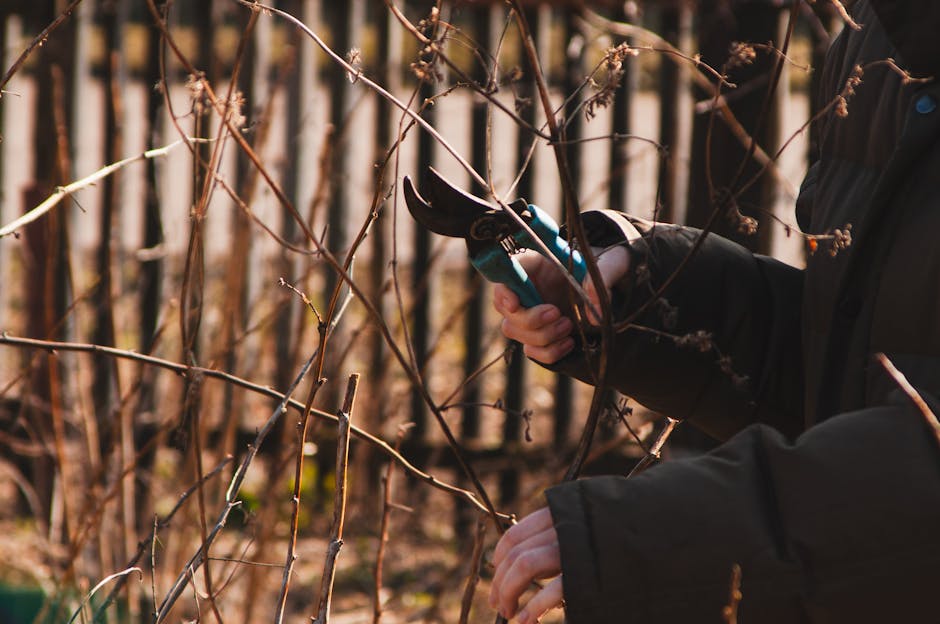
| Hand secateurs | Small stems and delicate cuts | Allows precise, low-impact pruning |
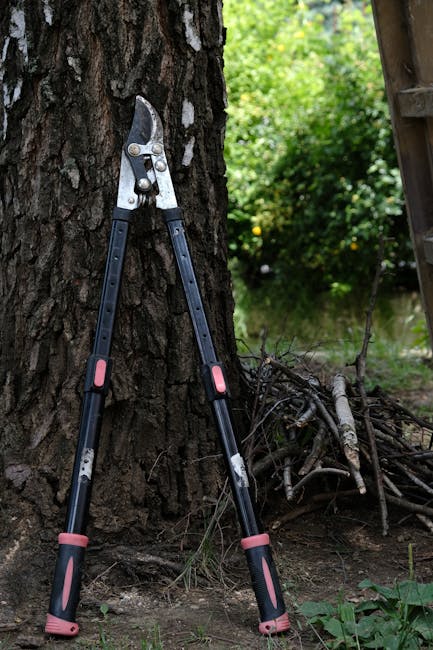
| Loppers | Medium branches | Gives controlled leverage without rough tearing |
| Pruning saw | Thicker branches | Useful for clean cuts on mature growth |
| Hedge trimmer | Formal hedge shaping | Helps maintain an even face where appropriate |
| Protective kit | Gloves, eye protection, safe footwear | Reduces risk when working around thorny or heavy growth |
| Garden waste bags or bins | Collection and sorting | Keeps the site tidy and supports recycling |
As for practical recommendations, a sensible approach is to combine pruning with a broader maintenance plan. A one-off tidy can help, but a scheduled routine usually gives better results and fewer surprises. If you want to understand the wider service picture, it can help to review the full services overview before deciding how much work to bundle together.
If you are comparing providers, also look at how they talk about pricing, scope, and access. Clear communication matters. It avoids the classic "I thought that was included" conversation, which nobody enjoys, least of all on a wet Tuesday morning with cuttings everywhere.
Law, Compliance, Standards, or Best Practice
With conservation area pruning, the legal and practical side should be handled carefully. Local expectations may vary, and rules can depend on the type of plant, the exact location, and whether the work involves a protected tree or significant alteration. So it is sensible to avoid casual assumptions. A good gardener will know when a job is routine maintenance and when it needs more checking before work starts.
Best practice usually includes:
- checking whether the garden sits within a conservation area
- considering whether the tree or hedge is subject to additional protection
- avoiding unnecessary removal of healthy growth
- using methods that preserve structure and long-term plant health
- documenting the work clearly where appropriate
There is also a practical duty of care around safety. This includes protecting occupants, neighbours, and anyone passing nearby. For taller work, awkward access, or overhanging branches, professional judgement matters more than speed. The safest option is usually the one that looks a bit boring from the outside. And that is fine.
If you are comparing service providers, you may also want to review pages such as health and safety policy, complaints procedure, and terms and conditions so you know how the company handles standards, issues, and expectations before work begins.
Options, Methods, or Comparison Table
Not every pruning job should be approached the same way. The right method depends on the plant, the goal, and how visible the work will be from the street. Here is a simple comparison that helps with decision-making.
| Method | Best for | Pros | Watch-outs |
|---|---|---|---|
| Light shaping | Hedges, shrubs, and regular maintenance | Preserves form, low stress, neat finish | May not solve severe overgrowth |
| Selective pruning | Mixed shrubs and ornamental trees | Targets only what needs removing | Needs a skilled eye |
| Reduction pruning | Overextended branches or size control | Useful for clearance and structure | Can look harsh if overdone |
| Formative pruning | Young trees and developing plants | Builds long-term structure | Must be repeated over time |
| Hard cutback | Only certain species and only when appropriate | Can reset some vigorous shrubs | Often unsuitable in conservation settings |
For many Winchmore Hill gardens, the best choice is a mix of light shaping and selective pruning. That keeps things tidy without making the garden look stripped. If access is awkward or the work forms part of a larger refresh, a team may suggest combining it with landscape gardening work or, where surfaces and layout also need attention, related landscaping improvements.
Case Study or Real-World Example
Here is a typical local scenario. A homeowner in Winchmore Hill has a front garden with a mature hedge, a couple of shrubs that have pushed out too far, and a small tree that now leans over the path a bit more than it used to. Nothing dramatic. Just the kind of garden that slowly gets away from you over a couple of seasons, especially if work and family life are busy.
The first instinct might be to "just cut it all back." But in a conservation area, that would likely be the wrong call. A better approach is to inspect the hedge line, trim it for even density, reduce only the branches that interfere with access, and remove dead or crossing growth from the tree without spoiling its outline. The result is a front garden that feels calmer, lighter, and still in keeping with the street.
What changes most in situations like this is not only appearance. It is the feeling of the space. You notice more daylight in the hall. The path feels less cramped. The garden sounds a little quieter too, almost. Less rustling from overgrowth, more structure. Small things, but they add up.
If the same property also needed a seasonal tidy, the gardener might tie the pruning into a broader maintenance visit so the beds, lawn, and boundary all come together. That is often where a service like lawn mowing or general upkeep complements the pruning rather than competing with it.
Practical Checklist
Use this checklist before you book or begin conservation area pruning. It keeps the job grounded and avoids last-minute surprises.
- Confirm whether the property is within a conservation area.
- Identify the plants that need work and what each one needs.
- Decide whether the job is light maintenance or more structural pruning.
- Check if the work affects visibility, access, light, or neighbours.
- Make sure the timing is sensible for the species and the season.
- Ask how the cuttings will be removed or recycled.
- Confirm that the team understands safe working practices.
- Review the expected finish: neat, natural, and proportionate.
- Ask whether any follow-up visits are recommended.
- Keep a record of what was done, especially if the garden has protected or sensitive features.
Quick expert summary: in conservation areas, the best pruning is usually the pruning you barely notice. The garden looks better, not harsher. It feels tidier, but still alive. That is the target.
Conclusion
Winchmore Hill gardeners for conservation area compliant pruning are about far more than cutting plants down to size. They are about judgement, restraint, and local awareness. A good gardener knows when to prune, how much to remove, and how to keep the garden in step with the character of the area. That balance is what protects both the look of the street and the long-term health of the garden.
If you approach pruning thoughtfully, you get a space that is easier to manage, safer to use, and much nicer to live with. No drama. No overdone cuts. Just a garden that feels settled again. And honestly, that can make a bigger difference than people expect on an ordinary weekday morning when you step outside with a cup of tea and realise the front garden finally looks like itself again.
For tailored advice on pruning, maintenance, or a wider garden refresh, you can also explore the team's about us page to understand their approach and values before you decide what to do next.
Get a free quote today and see how much you can save.
Frequently Asked Questions
What does conservation area compliant pruning actually mean?
It means pruning that respects the appearance, health, and character of trees, hedges, and shrubs in a conservation area. The work should be careful, proportionate, and appropriate to the plant and setting.
Do I need special permission to prune a tree in a conservation area?
Sometimes you may need to check before work begins, especially if the tree may be protected or the changes are significant. The safest route is to get the situation assessed properly rather than guessing.
How is hedge trimming different from compliant pruning?
Hedge trimming is usually about maintaining a neat, even boundary. Compliant pruning is broader and can include trees and shrubs, with more focus on plant structure, timing, and conservation-area sensitivity.
Can pruning be done all year round?
Not always. The right timing depends on the species, the weather, and wildlife considerations. A good gardener will choose the least disruptive window for the work.
What should I avoid when pruning in a conservation area?
Avoid heavy cuts, rushed work, and pruning without understanding the plant type. Also avoid stripping growth simply because it looks untidy. A lighter, more selective approach is usually better.
Is conservation area pruning more expensive?
It can be, depending on access, complexity, size, and the level of care required. The extra time needed for precision and safety often affects the quote, but every job is different.
How do I know if my garden needs selective pruning or a harder reduction?
If the plant is generally healthy but overcrowded or slightly misshapen, selective pruning may be enough. If it has outgrown its space or is causing clearance issues, a careful reduction may be more suitable.
What happens to the waste after pruning?
Usually it is collected and removed as part of the job, and a responsible team will sort or recycle green waste where possible. If sustainability matters to you, ask about it in advance.
Can pruning help a neglected garden recover?
Yes, but usually best in stages. If a garden has been left for a while, staged pruning is often safer and better-looking than one severe cutback. Patience helps here.
Should I combine pruning with other garden services?
Often yes. If the rest of the garden also needs attention, combining pruning with maintenance, clearance, or lawn care can be more efficient and produce a better overall result.
What if I am not sure what kind of plant I have?
That is very common. A knowledgeable gardener can identify the plant and advise on the right method. In conservation areas, that expertise is especially useful because the wrong cut can be hard to undo.
How do I choose the right gardeners for this kind of work?
Look for clear communication, sensible advice, and an approach that values safety and restraint. It also helps if the team offers transparent information on pricing, insurance, and service standards.